Introduction to Indy Car Racing
Indy Car news is a prominent and thrilling motorsport that has captivated fans for over a century. With roots dating back to 1909, the sport has evolved significantly, offering a unique blend of speed, skill, and competition. Indy Car news is perhaps best known for the Indianapolis 500, one of the most celebrated and prestigious races in the world. This event draws a vast international audience and showcases the pinnacle of racing engineering and driver talent.
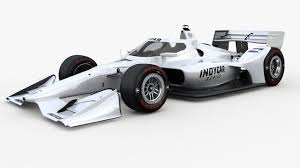
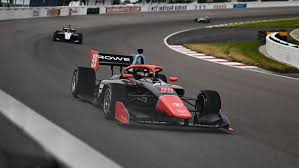
One of the key aspects that distinguish Indy Car news from other racing formats is its open-wheel design. The cars feature exposed wheels, allowing for a distinctive aesthetic and aerodynamic advantages. They can reach impressive speeds, often exceeding 230 miles per hour on renowned circuits. The cars are also engineered for maximum performance, utilizing advanced technologies that enhance their speed, handling, and safety.
Additionally, Indy Car news takes place on a variety of tracks, including ovals, road courses, and temporary street circuits. This diversity in racing venues not only tests the adaptability of drivers and teams but also provides fans with a dynamic viewing experience. The multi-faceted nature of the series attracts a wide range of spectators, from casual enthusiasts to diehard fans, all of whom are eager to witness the exhilarating competition.
Fan engagement is another vital component of Indy Car news. The series places great emphasis on fostering a strong connection with its audience through meet-and-greets, social media interaction, and various events throughout the racing season. This dedication to fan involvement helps create a vibrant community, further elevating the significance of Indy Car in the motorsport landscape.
Recent Developments in Indy Car News
The Indy Car news series has seen significant movements in recent weeks, drawing the attention of motorsport enthusiasts and analysts alike. Notably, the recent race at the Indianapolis Motor Speedway showcased a thrilling performance by defending champion Alex Palou, who clinched victory amidst fierce competition. His triumph not only solidifies his position in the standings but also contributes to ongoing discussions about his potential team switch for the upcoming seasons, which has been a topic of speculation in various indy car news outlets.
Furthermore, team dynamics are evolving with the recent announcement of several driver signings. Notably, Team Penske has secured a new recruit, signaling their determination to enhance their competitiveness in the league. The implications of such signings are significant, as they can alter team strategies and performance in upcoming races, a crucial aspect when considering the championship landscape. Fans and analysts are keeping a keen eye on how these changes will unfold throughout the remainder of the season.
In addition to personnel changes, there have been noteworthy mechanical innovations introduced in recent races. Teams are increasingly adopting advanced technologies aimed at improving aerodynamics and car performance on various tracks. The introduction of hybrid systems is particularly significant, as it reflects a shift towards sustainability in motorsport, which has been echoed in recent indy car news discussions. These advancements not only enhance the racing experience but also contribute to the sport’s future viability and appeal.
As we look ahead to the next races, the cumulative effects of these developments—whether through standout performances, strategic team changes, or technological advancements—are likely to play a pivotal role in shaping the outcomes of the upcoming Indy Car news season.
Interviews and Insights from Key Figures in Indy Car
The world of Indy Car is driven not only by the thrilling races but also by the personalities that populate the paddocks. Recent interviews with prominent figures, including celebrated drivers, astute team owners, and seasoned industry experts, have shed light on the prevailing atmosphere within the sport. These insights provide a multifaceted perspective on the developments impacting Indy Car racing today.
Drivers, often at the forefront of competition, have shared their experiences and insights about the evolving dynamics of the series. For instance, a recent interview with a renowned driver revealed the ongoing improvements in safety protocols and technology, emphasizing that “the focus on driver welfare has never been greater.” Such reflections not only highlight personal experiences but also underscore the industry’s commitment to enhancing safety standards, which are crucial for both drivers and fans alike.
Team owners, crucial stakeholders in the Indy Car ecosystem, have articulated their strategies regarding talent acquisition and team management in a fiercely competitive landscape. One team owner expressed, “The need to adapt our strategies is vital; we are constantly searching for innovative ways to enhance our performance on the track.” This sentiment illustrates the ongoing evolution within the sport, as teams strive to maintain competitive edges through fresh approaches and collaboration.
Moreover, industry experts often analyze broader trends affecting Indy Car, from economic influences to technological advancements. Their opinions serve to contextualize the current developments, providing fans with an in-depth understanding of what is shaping the sport. An industry analyst noted, “The integration of new technologies is redefining what we consider performance in racing, pushing boundaries further than ever before.” Thus, these interviews serve as a critical gateway into the minds of those shaping Indy Car, enriching the conversation around recent Indy Car news.
The Future of Indy Car Racing
The future of Indy Car racing is poised for transformative changes, influenced by both technological advancements and evolving fan expectations. As we delve into the latest in Indy Car news, several key trends are emerging that could significantly reshape the racing landscape.
One of the most notable developments is the increasing focus on sustainability within the sport. Indy Car has begun implementing initiatives to reduce its environmental impact, including a greater emphasis on alternative fuels. The introduction of hybrid technologies, which will become more prevalent in the upcoming seasons, exemplifies how the series is adapting to global trends regarding climate change and energy efficiency.
Additionally, rule changes are expected to enhance competitiveness and safety, which are critical for maintaining fan engagement. The introduction of new regulations concerning aerodynamics and tire management aims to foster closer racing and strategic complexities that keep spectators on the edge of their seats. Fans can anticipate thrilling events where innovative strategies will play a significant role in determining the outcome.
Moreover, we are also witnessing a significant increase in digital engagement strategies. With the rise of social media platforms, fans have access to real-time updates, behind-the-scenes content, and interactive experiences that enhance their connection to the drivers and teams. This comprehensive engagement is crucial for ensuring the continuing popularity of Indy Car among younger audiences.
In addition to these factors, the schedule for upcoming races is being reimagined to incorporate new venues and international appearances. Expanding the geographic reach of Indy Car events not only diversifies the fan base but also enhances the series’ global presence.
in conclusion, as we look towards the future, Indy Car racing is embracing technological innovation, sustainability, and enhanced fan engagement. The decisions made today are setting the stage for a dynamic and exciting era in the world of Indy Car, ensuring that it remains a relevant and captivating sport for years to come.