

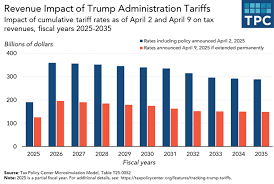
What Are Trump Tariffs?
Trump tariffs refer to a series of tariffs imposed by the administration of former President Donald Trump, which came into effect primarily between 2018 and 2020. These tariffs aimed to reshape trade relations between the United States and various countries, focusing on both protecting American industries and addressing perceived trade imbalances. The introduction of these tariffs was largely motivated by longstanding concerns regarding foreign trade practices that were seen as detrimental to U.S. economic interests.
One of the most notable implementations of Trump tariffs involved the imposition of duties on imported steel and aluminum. The tariffs, which were set at 25% for steel and 10% for aluminum, were justified on the grounds of national security and the need to revitalize the domestic metals industry. This action was taken under Section 232 of the Trade Expansion Act of 1962, which allows the government to act against imports that threaten to impair national security.
Beyond steel and aluminum, the Trump administration also enacted tariffs on a wide range of products, particularly those imported from China. This included tariffs on consumer goods, electronics, and various other categories, with the intention of reducing the trade deficit with China. The underlying strategy behind the implementation of these tariffs was to encourage domestic production, promote American jobs, and discourage the importation of goods regarded as unfairly subsidized or dumped into the U.S. market.
The rationale for these tariffs prompted both support and criticism, suggesting a complex relationship between trade policy and economic outcomes. By raising the cost of foreign goods, the administration aimed to protect domestic industries; however, critics argued that such measures could lead to higher prices for consumers and tensions in international trade relations. Consequently, the legacy of Trump tariffs continues to influence discussions on U.S. trade policy.
Economic Impacts of Trump Tariffs
The implementation of Trump tariffs marked a significant shift in U.S. trade policy, aiming to protect domestic industries and reduce the trade deficit. However, the economic impacts of these tariffs were multifaceted, presenting both advantages and disadvantages. One of the primary goals was to bolster American manufacturing, specifically in sectors such as steel and aluminum, which faced fierce competition from foreign imports. Initially, there was a notable upsurge in job creation within these industries as companies responded to reduced import pressure thus stimulating domestic production.
However, this increase in domestic jobs came at a cost. The imposition of tariffs led to higher prices for raw materials, which, in turn, resulted in increased production costs for various goods, affecting both manufacturers and consumers. Industries reliant on imported components, such as the automotive and technology sectors, reported significant price hikes, leading to broader inflationary pressures. Consumers, ultimately, bore the brunt of these higher prices, raising concerns about the overall economic burden imposed by the tariffs.
The broader U.S. economy experienced a mixed bag of growth and challenges as well. While some sectors thrived, creating job opportunities, others faced downsizing or closures. For example, the agricultural sector struggled as retaliatory tariffs from foreign markets limited exports. The reduction in access to international markets created financial distress for farmers, leading to calls for government assistance in the form of subsidy programs.
In conclusion, the economic consequences of Trump tariffs were complex and varied across different industries. While certain sectors benefited from protections against foreign competition, many consumers faced higher prices, and various industries encountered challenges due to retaliatory measures, overall altering the dynamics of the U.S. economy during and after this period.
International Reactions and Trade Wars
The imposition of trump tariffs triggered significant global responses, leading to a series of retaliatory measures from affected nations. The initial set of tariffs primarily targeted imports from countries such as China, Canada, and Mexico, which stirred dissatisfaction among trading partners. In response, these countries enacted their tariffs on U.S. goods, establishing a cycle of retaliatory tariffs that escalated into broader trade conflicts, commonly referred to as trade wars.
For instance, after the United States placed tariffs on steel and aluminum imports, Canada and Mexico were quick to respond with their own tariffs on U.S. products, including agricultural goods and consumer items. This led to heightened tensions and disrupted established trade relationships. Analysts noted that such tariff policies created an environment of uncertainty in international markets, affecting not only bilateral relations but also multilateral agreements, such as those under the World Trade Organization (WTO).
Countries that were indirectly affected by the trump tariffs also voiced their concerns, emphasizing the potential detriment to global trade. The tariffs impacted the flow of goods and services, increasing costs for consumers and businesses alike. Particularly in sectors reliant on international supply chains, companies faced challenges in maintaining competitiveness in the face of rising prices due to tariffs.
Additionally, the trade wars initiated by the trump tariffs caused countries to reconsider their trade strategies, sometimes resulting in attempts to negotiate new trade agreements that circumvented the United States. These developments illustrated a shifting landscape in international trade, as nations sought to protect their economic interests amid escalating tensions stemming from U.S. tariff policies. The consequences of these tariffs extended beyond immediate economic impacts, influencing diplomatic relations and the future of global trade agreements.
Long-term Implications of Trump Tariffs
The introduction of Trump tariffs marked a significant shift in American trade policy, characterized by a focus on protecting domestic industries over fostering global trade relations. One of the primary long-term implications of these tariffs is the potential restructuring of global supply chains. Many companies that rely on cross-border supply arrangements may reconsider their sourcing strategies to mitigate the impact of tariffs. Consequently, industries may either relocate operations back to the United States or diversify suppliers to lesser-affected regions, leading to a realignment of international trade partnerships.
Additionally, the implementation of Trump tariffs could mandate a reevaluation of trade agreements. Countries previously aligned with the United States may reassess their economic interactions, potentially seeking to forge new alliances or reinforce existing ones that do not involve high tariff barriers. This could lead to a proliferation of regional trade agreements that might eclipse traditional multilateral approaches such as those seen in past decades. Over time, this shift could create an environment where trade is more strategic and less cooperative, hampering the global economy’s interdependence.
Future administrations may find themselves grappling with the legacies of the Trump tariffs. Navigating international trade will likely require a delicate balance between protectionist sentiments and the long-term benefits of collaboration across borders. As tariffs can enhance domestic competition, they could also raise prices for consumers, leading to political pressure to alter current trade policy. The challenge for policymakers will be to maintain economic growth while balancing the interests of consumers, industries, and allied nations.
Ultimately, as the impacts of Trump tariffs continue to unfold, they will shape not only trade dynamics but also diplomatic relations. The decision to embrace or reject tariff strategies will undoubtedly influence the United States’ role in global governance and its position as an economic leader.
